1. Walk the grounds
For outdoor spaces, the crew walks fence lines, planters, corners and bushes where needles collect.
Clyde, NC · Haywood County
Worried about what is hiding in drawers, bags or a vacant building in Clyde? Call (877) 812-4220. Crews check the whole space, collect sharps with tools and clean up afterward.
If anyone is in danger, call 911 first. For a suicide crisis, call or text 988.
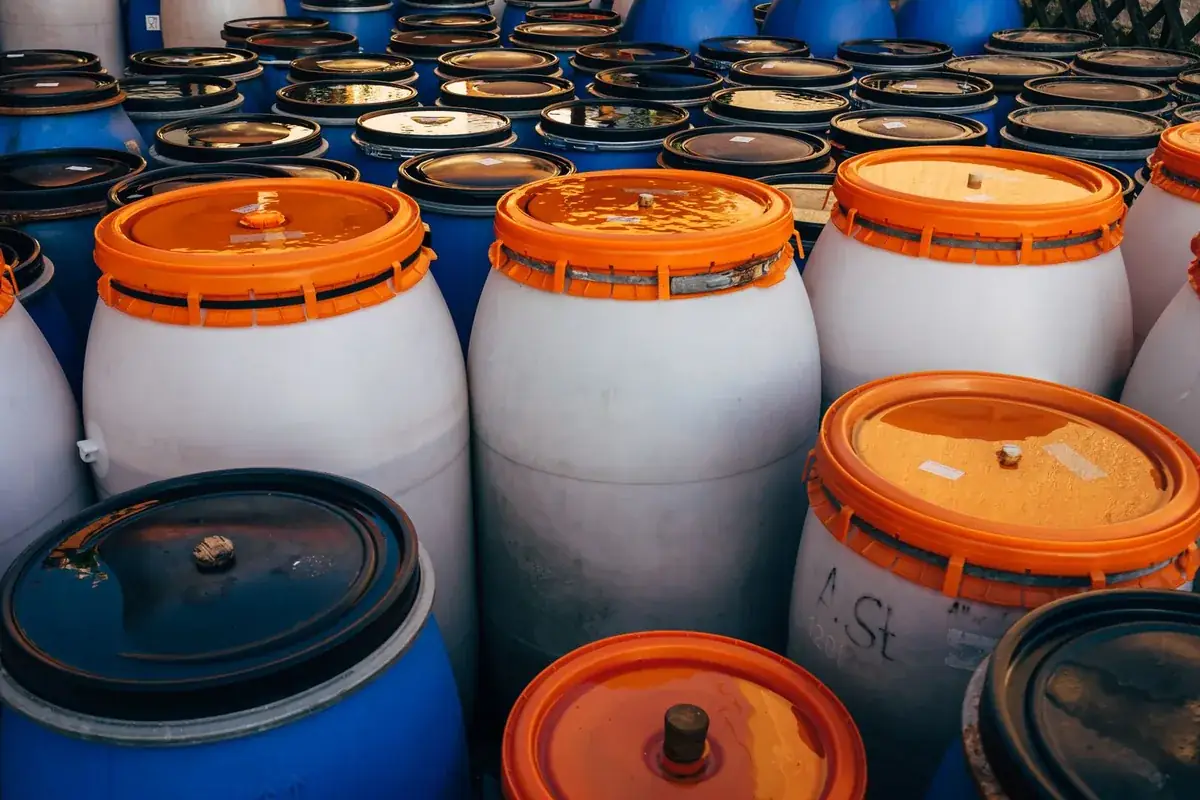
Needle and syringe pickup is a form of biohazard cleanup aimed at sharps. Protective equipment, special containers and proper disposal are part of every job.
With help from Clyde Biohazard Cleanup Help, you get a local team in Clyde that knows sharps must never be touched barehanded. Crews contain the hazard, haul it away and clean the space across Haywood County.
With a vacancy rate near 24% in Haywood County, many owners check empty properties for sharps before repairs, sales or new tenants. A stick, cut or splash should be checked by a doctor without delay. Haywood Regional Medical Center in Clyde serves people in and around Clyde.
Needle & Sharps Cleanup in Clyde usually includes:
For outdoor spaces, the crew walks fence lines, planters, corners and bushes where needles collect.
Long tools let the crew lift sharps without reaching. Nothing is picked up by hand.
Tools lift each sharp into a container. Lids are locked, and containers are labeled for transport.
Hard surfaces are cleaned with EPA-registered products. Soaked fabrics may be removed and bagged.
The cost of needle & sharps cleanup in Clyde, NC depends on the amount of material, how it is packed and how it is hauled.
Disposal as regulated medical waste is part of the work, and treatment facilities charge by container or weight.
| Type of job | Typical range |
|---|
Published ranges only (); every needle & sharps cleanup job in Clyde is priced after an on-site look. Price drivers include number of items, where they are found, whether a sweep of a large area is needed, waste disposal. Questions? Call (877) 812-4220.
Yes. Insulin pen needles, lancets and similar small devices are sharps, even though they are used for health care. They should go into a rigid container, never loose into trash.
Safer options exist. Many cities and health departments have programs for found needles and may give instructions or send someone. If you are unsure, do not touch it. Leaving a needle in place and keeping others away is safer than risking a stick.
Yes, because children may pick up what they find. Teach children to stay back from any needle and tell an adult. If a child touches or is stuck by a needle, wash the area, get medical care and call Poison Control.
Lease terms and local law decide. A landlord, an attorney or a tenant rights group can say who is responsible. In many cases the property owner books the sweep first so the unit can be used again, and the cost is sorted out afterward.
In many cases the person who calls does not need to be at the property. Ask the team how access and keys can be arranged. Many teams can also arrive in an unmarked vehicle, so ask about that if privacy matters to you.
Sometimes. Some homeowners and renters policies cover cleanup after a covered event, and many do not cover needles on their own. Call your insurance company before work starts, take photos from a safe spot, and keep every receipt. Check your policy rather than assuming.
Crews work without judgment and focus on making the space safe again.
Call (877) 812-4220